sruchti's Notes
2026

Fair
The Life-Art of Translation
By Jen Calleja
Arendal
By Karl Ove KnausgaardMuch like the previous book in the series, the realm of ARENDAL is more alive having read THE MORNING STAR, WOLVES OF ETERNITY, and THE THIRD REALM (less so THE SCHOOL OF NIGHT, which also stands by itself more or less). In ARENDAL, we're privy to several days in the life of Syvert Jr.'s father, Syvert Sr., just as he's on the precipice of leaving his family for his Russian lover. (Readers of the Morning Star books know what happens next...) A mysterious car malfunction leaves Syvert Sr. stranded in his hometown, Arendal, a small village on the Norwegian coast. Knausgaard's foray into horror and mysticism continues with this profoundly good (and also profound) addition to the MORNING STAR series.

Serious Music
By Percival Everett
In the Range of Fire and Ice
A Human and Natural History of Washington's Cascades
By David B Williams
The Furrow
By Valérie Manteau
Hyperscale
The Ambition and Excess of Big Tech's Data Empires
By Paris Marx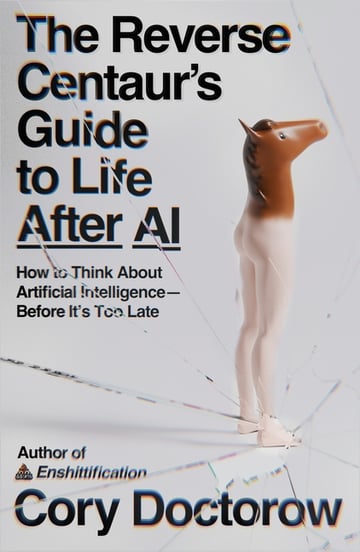
The Reverse Centaur's Guide to Life After AI
How to Think about Artificial Intelligence--Before It's Too Late
By Cory Doctorow“ Far more important than what a gadget does is who it does it TO and who it does it FOR.”
As mind-boggling and succinct as everyone says it is. Cory Doctorow clearly explains how tech oligarchs have inflated the value of AI to perform the thin veneer of growth at all costs, adjusting their own metrics and manipulating the data for the sake of investors, who in turn are bamboozled into investing billions, and the cycle goes round. It’s a game of convincing people (specifically “bosses”) that AI is a way for companies to reduce or eliminate their wage bills through automation. An unholy ouroboros. The finances are jaw-dropping. And most of the valuation is fake. Entirely made up.

On the Calculation of Volume (Book V)
By Solvej Balle and Jennifer RussellBalle’s series defies normal metrics or measurements for what defines a “good book”. Just as Tara Selter and her compatriots live outside of time, endlessly in the 18th of November, Balle’s septology of novels lives outside of my judgment. There is only reading, and pondering, and wondering what will happen next… if anything…
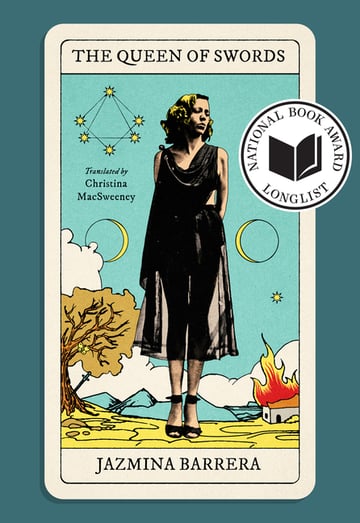
The Queen of Swords
By Jazmina BarreraWinner of the 2025 Cercador Prize for Literature in Translation

Enshittification
Why Everything Suddenly Got Worse and What to Do about It
By Cory Doctorow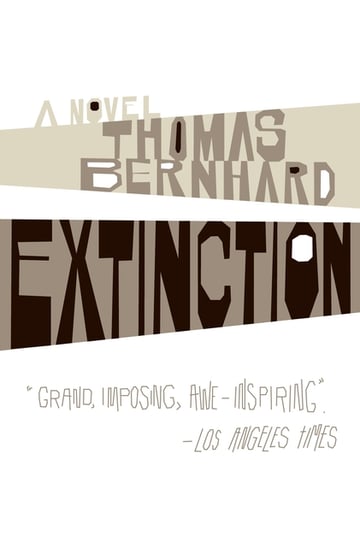
Extinction
By Thomas Bernhard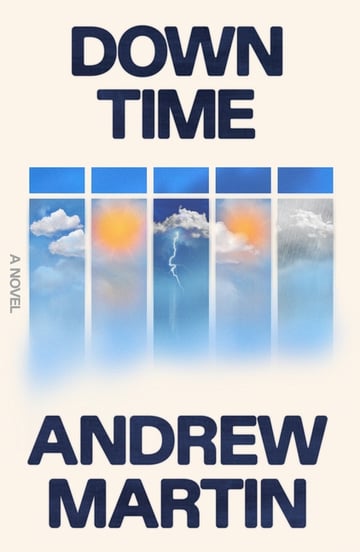
Down Time
By Andrew MartinAndrew Martin's latest novel is nothing less than stunning, with some of the best writing about being in your 30s and surrounded by writers. Exceedingly clever, with a menagerie of semi-despicable, horny, complex characters, DOWN TIME is the rebuttal to the misconception that a decent COVID-novel does not exist. Once I picked up this book and started reading, I could hardly leave it; when I did, Andrew Martin's voice remained in my head. If his books get any better, I may have to abandon reading altogether.
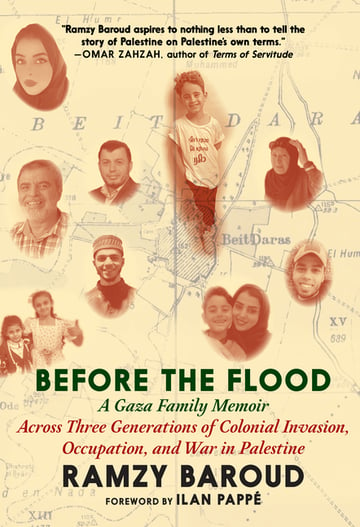
Before the Flood
A Gaza Family Memoir Across Three Generations of Colonial Invasion, Occupation, and War in Palestine
By Ramzy BaroudRamzy Baroud frames his history of Palestine through three generations of his own family—from village life in Beit Daras before the Nakba, to May 2025, at which point Israel's latest war on Palestinians had killed at least 52,000 people and wounded 118,000, nearly all of Gaza in rubble. It has been said that all art aspires to be music. Baroud's symphony of voices—joyful, proud, brave, unyielding voices—shows a history of Zionism within its violent, colonial context, and how even after repeated periods of genocide, the Palestinian people have endured over and over again. The stories Baroud brings to light through incredible sacrifice from family members who, even today, live and have died in Gaza while being chased by Israeli armaments, are nothing short of astonishing. As Ramzy writes: "The Palestinian people will eventually win their freedom because they have invested in a long-term trajectory of ideas, memories, and communal aspirations. . . if the oppressed, the Indigenous of the land, are not fully vanquished, they will rise, resist, fight, and win back their freedom."