About Us

These are accessible books that go into a bit more detail than the 'beginner' series. Still intended for regular retail investors, but you’re going to see some more equations.

0 / 8 read (0%)

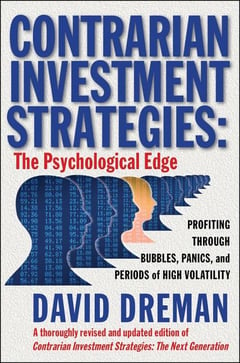
Contrarian Investment Strategies

The Psychological Edge (Revised and Updated)

A value-based approach to investing in unpopular companies and trends, avoiding bubbles, and knowing how to spot stocks when they are on sale. A particularly good guide to have during times of market turbulence.
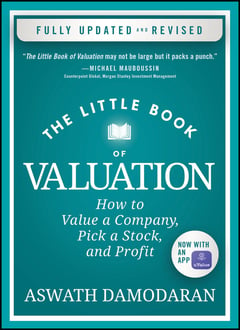
The Little Book of Valuation

How to Value a Company, Pick a Stock, and Profit (Updated)

An indispensable tool for value investors; the book breaks down intricate financial concepts into understandable terms, making the often intimidating process of valuation accessible to all. Its practical approach helps investors discern between overpriced stocks and real opportunities. Damodaran walks through the entire process of how to actually value a stock, showing the foundation of value investing. This is a great resource that simplifies a lot of complexity.

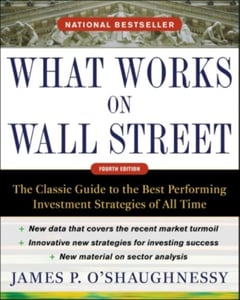
What Works on Wall Street

The Classic Guide to the Best-Performing Investment Strategies of All Time

A comprehensive guide to quantitative investment strategies. O'Shaughnessy studies various investment methods, such as buying small stocks, low P/E stocks, and stocks with high dividend yields, ultimately concluding that certain quantitative strategies, particularly those involving value, have historically provided the best returns. He demonstrates the importance of discipline, patience, and a long-term investment approach to achieve success.
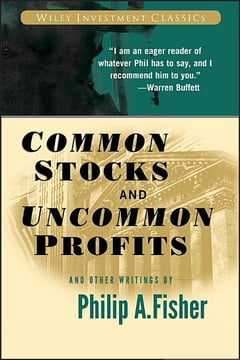
Cover of Common Stocks and Uncommon Profits and Other Writings by Philip A Fisher
Common Stocks and Uncommon Profits and Other Writings Philip A Fisher

Common Stocks and Uncommon Profits and Other Writings

Rather than treating stocks as abstract data points, Fisher urges investors to study the people, products, and processes that drive long-term value creation, arguing that great businesses compound wealth because of enduring qualitative strengths, not just attractive metrics.
#TitleSubtitleAuthor(s)YearNotes
1Contrarian Investment StrategiesThe Psychological Edge (Revised and Updated)David Dreman2012A value-based approach to investing in unpopular companies and trends, avoiding bubbles, and knowing how to spot stocks when they are on sale. A particularly good guide to have during times of market turbulence.

2The Little Book of ValuationHow to Value a Company, Pick a Stock, and Profit (Updated)Aswath Damodaran2024An indispensable tool for value investors; the book breaks down intricate financial concepts into understandable terms, making the often intimidating process of valuation accessible to all. Its practical approach helps investors discern between overpriced stocks and real opportunities. Damodaran walks through the entire process of how to actually value a stock, showing the foundation of value investing. This is a great resource that simplifies a lot of complexity.
3What Works on Wall StreetThe Classic Guide to the Best-Performing Investment Strategies of All TimeJames P O'Shaughnessy2011A comprehensive guide to quantitative investment strategies. O'Shaughnessy studies various investment methods, such as buying small stocks, low P/E stocks, and stocks with high dividend yields, ultimately concluding that certain quantitative strategies, particularly those involving value, have historically provided the best returns. He demonstrates the importance of discipline, patience, and a long-term investment approach to achieve success.
4The New Market WizardsConversations with America's Top TradersJack D Schwager1994Schwager compiles interviews with top traders across diverse markets, revealing the decision-making frameworks, risk management principles, and psychological resilience behind their success.
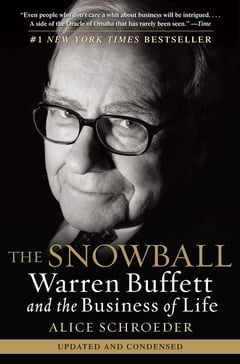
5The SnowballWarren Buffett and the Business of Life (Updtd & Condnsd)Alice Schroeder2009A Buffett biography about the compounding value of doing the right thing.
6Common Stocks and Uncommon Profits and Other WritingsPhilip A Fisher2003Rather than treating stocks as abstract data points, Fisher urges investors to study the people, products, and processes that drive long-term value creation, arguing that great businesses compound wealth because of enduring qualitative strengths, not just attractive metrics.
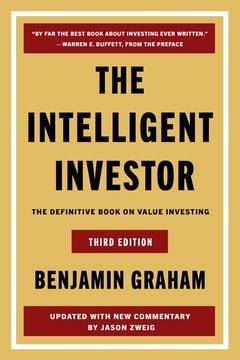
7The Intelligent Investor, 3rd Ed.The Definitive Book on Value InvestingBenjamin Graham and Jason Zweig2024Classic for a reason.
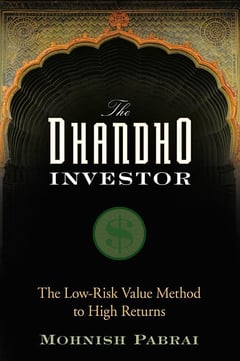
8The Dhandho InvestorThe Low-Risk Value Method to High ReturnsMohnish Pabrai2007A solid value-based guide for retail investors.