bookhound's Notes
2026
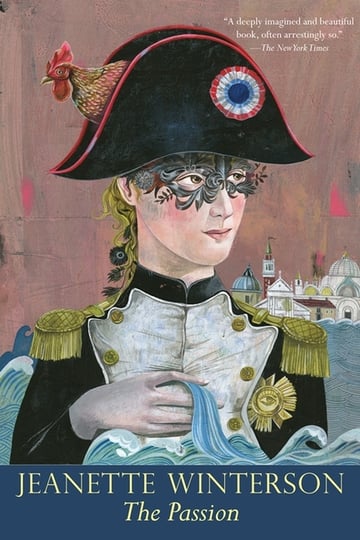
The Passion
By Jeanette WintersonWhat I thought was the most interesting take was the description of war and how one character bought into it so completely. He was going to follow Napoleon to the end of the world...and basically did which is when he had his realization that his fearless, righteous leader was just a loon who never really considered the real cost. (The ENORMOUS cost. The number of deaths, and manner of deaths, is really mind boggling.)
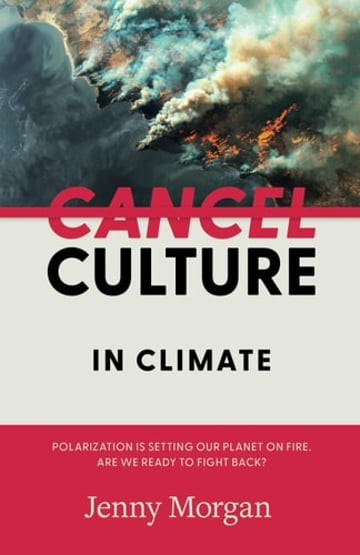
Cancel Culture in Climate
Polarization Is Setting Our Planet on Fire. Are We Ready to Fight Back?
By Jenny MorganI'm going to read Calling In next, which covers similar territory. I have higher hopes for that one.
Crux
By Gabriel Tallent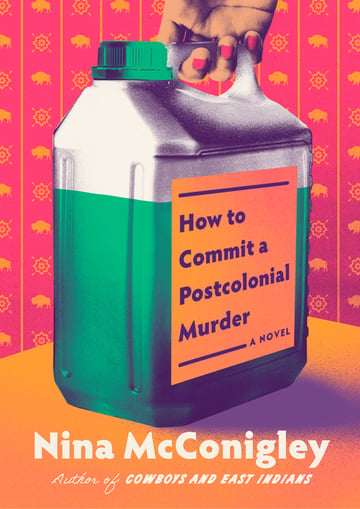
How to Commit a Postcolonial Murder
By Nina McConigley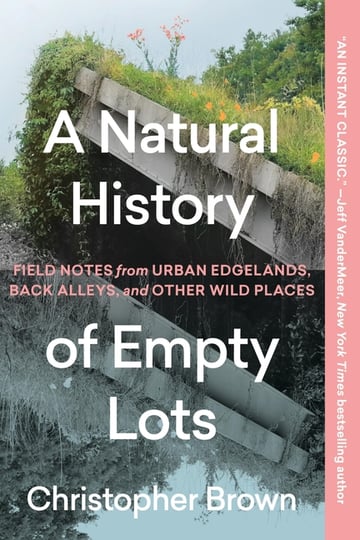
A Natural History of Empty Lots
Field Notes from Urban Edgelands, Back Alleys, and Other Wild Places
By Christopher BrownThe one passage that stood out to me the most was about how his being a lawyer and scifi writer allowed him to always look for loopholes - there's always another way and he always had the belief that something was possible. Another overall message was about just noticing your surroundings, nurturing your power of observation and being in the present --a good reminder for anyone.
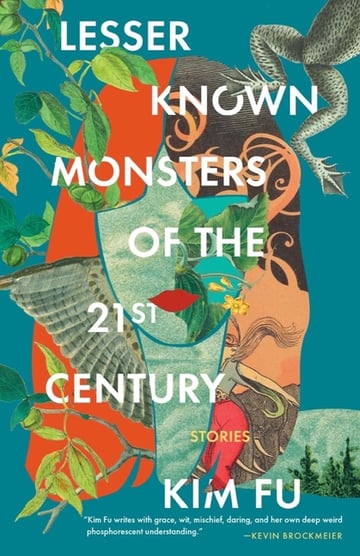
Lesser Known Monsters of the 21st Century
By Kim Fu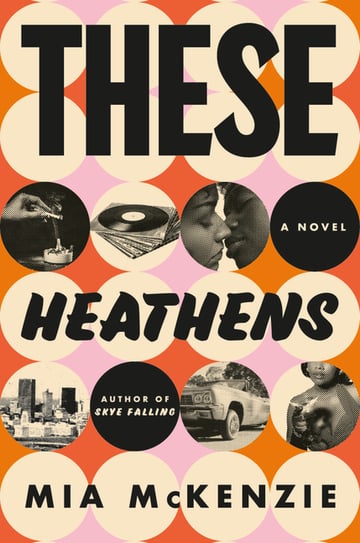
These Heathens
By Mia McKenzieThough it was a quick read (maybe even YA level), it's packed with a lot of big themes and insights, including the differing approaches of the civil rights movement amongst the Black community, abortion rights, and more. (Some questions included how integration may hurt Black businesses and integrated schools would mean “the end of colored teachers… and what would the impact be of white teachers on colored children.”)
“When I was a child whenever my mother would tell me she loved me, I’d say “I love you too Mother.” One day she told me “Sylvie, you don’t always have to say it back. It’s nice if you love me. But loving me is not your responsibility. All the responsibility in this relationship is mine."
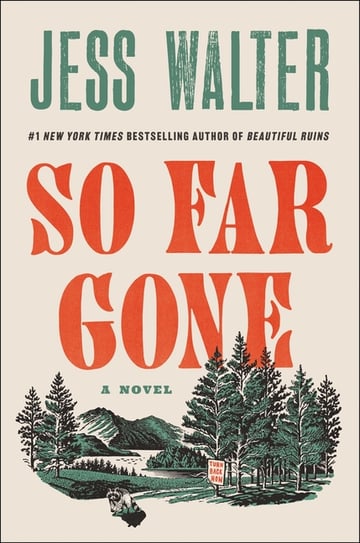
So Far Gone
By Jess Walter"Fun" read isn't quite right as it does have some violent and tense scenes. But the main character is funny, even when he doesn't mean to be, and there's always the sense that he's going to figure it out and get his life back in order. The events he goes through to get there, however, are sometimes like watching an action movie. Car chase, gun fights, a legion of religious goons in the mountains of Idaho...
At the core of it, the old man got fed up with the ugliness of the world and gave up on his family to become a recluse. He saw it as doing everyone else a favor, but ultimately realizes he was being a selfish coward. After nearly a decade goes by, he is dragged back into the messiness of the real world and discovered that what he sacrificed - time with his family and connection to community - is time that he can't get back but he can start now to make amends. And while it may have seemed worthwhile to retreat to the woods and to his books to opt out of the craziness of the world, all it really did was result in protecting himself. The ugliness and craziness of the world continued in his absence. The only difference is he wasn't there to help when his family needed him.
For all the drama, the story is fairly simple and the moral is clear: Connection with community and family is the most important thing.
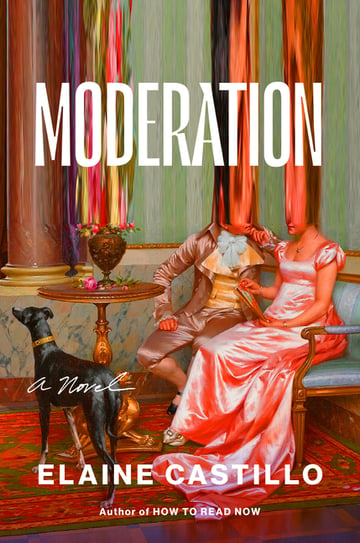
Moderation
By Elaine Castillo
"Okay, I'll take your carbon offsets for my brain."
- At one point in the VR world, she noticed there was a mosaic that did not have a "double click" option to learn more (unlike most of the rest of the scene). And she wondered, is it really so bad to have some mystery? Maybe it's okay to just wonder, imagine, and contemplate instead of having every moment filled in by some explanation.
- The author narrates the audiobook. I usually think this is a bad sign (unless it's Barbara Kingsolver), but in this case, Castillo nails it. She provides so much texture to the voices and the way her characters speak sheds more light on who they are.
- As I'm beginning to peruse Castillo's other works, I'm pretty sure there are a couple Easter eggs in here.
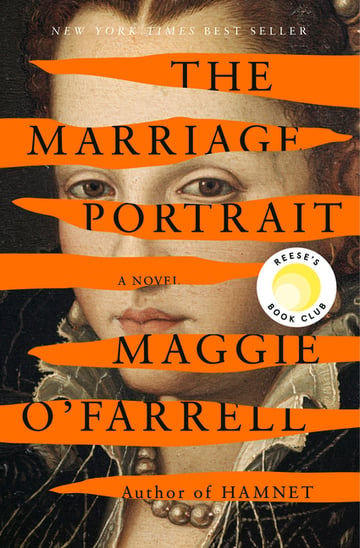
The Marriage Portrait
Reese's Book Club
By Maggie O'FarrellThe story managed to maintain a sense of tension for a long time, despite the day to day life being somewhat dull for the duchess. (At least most days.) Beautifully written, very rich descriptions of the era and the symbolism were more than enough to carry my interest.
Young Lucrezia is married off for political reasons and sent far away from the only place she's ever known. She's essentially locked in a tower - isolated from family, no friends to speak of but a loyal servant and a happenstance visitor, no ability to do anything much other than dawdle - occasionally able to pursue her artwork. (The fact that she excels at painting baffles everyone).
The lack of agency and immense isolation facing Lurcrezia is conveyed really well. It's lonely, but also a bit bewildering and disorienting to have so little information about things that impact your own life. The whole time she's wondering just how displeased her husband is ...with her knowing too much, having opinions, and certainly it's unacceptable that she does not seem able to bear him a child.
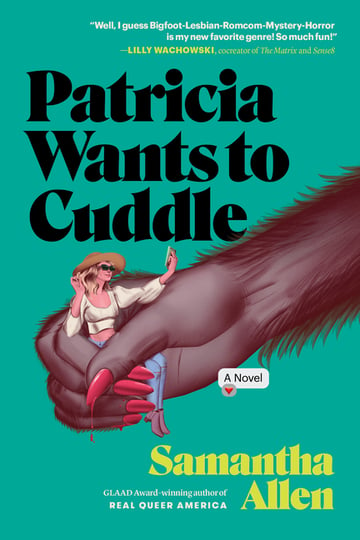
Patricia Wants to Cuddle
By Samantha Allen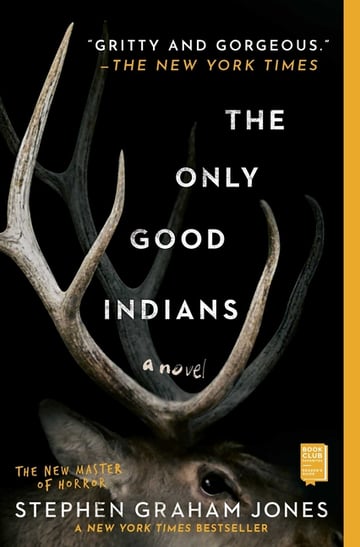
The Only Good Indians
By Stephen Graham JonesA horror book that is jam-packed with action but also quite tender. It's a reminder that violence and terror begets violence and terror, and mistakes or misdeeds can haunt you long after you thought the event was well into your past.
The characters are well rounded and realistic - the banter between old friends, the complicated relationships with imperfect parents, the husband trying to be dutiful to please his wife (by cleaning up the crumbs), the taciturn nature of the awkward, troubled teen. Thoughtful details like these really drew me into the story.
Another thing that stuck out for me was the description of the holes left in the community when someone dies. My impression is that in horror books, the focus is typically on the individual and their death scene and maybe the impact on their family or friends. But Jones also take a wider lens about how the loss of one person or two can leave a whole town reeling, especially a small town. No one is left now to deliver the mail. The school's basketball team can no longer compete. Everyone is impacted one way or another and it weakens the entire community's ability to function. The ripple effect is devastating.
Also, I usually just skip acknowledgements or do a brief skim. In the audio book, the author steps in to read the acknowledgements and that made it feel extra genuine and special. It's really quite moving, so don't gloss over this bit.
Reader beware. The action scenes are intense and the violence is pretty gruesome.
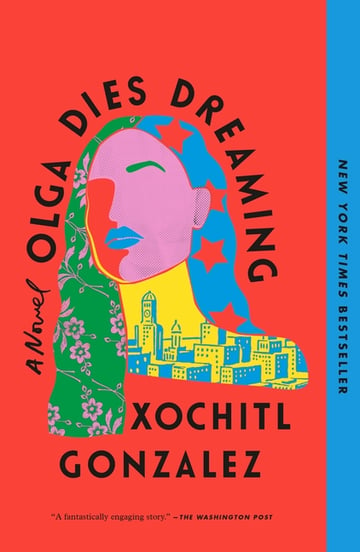
Olga Dies Dreaming
By Xochitl GonzalezPulled in from the get-go by...wait for it... a discussion about napkins. Yep. Turns out there's a lot you can say about napkins and also use that description to draw distinctions between the haves and the have-nots in a way that's pointed but also amusing.
The characters are all so rich, even with just a little bit of dialogue, you learn so much about them. Sometimes the dialogue feels a little forced to move the plot along or to provide more backstory/context efficiently, but it's usually forgivable. Especially when you get to the letters from Olga's mother, which are so biting. Even as an estranged parent, she sees everything and does not hesitate to call out her kids when they fail to meet her expectations. She's truly unforgiving.
Olga is a party planner for the uber wealthy in NYC, where she grew up with her brother and grandmother. Her mother left when she was young to become a revolutionary to fight for Puerto Rico. Let's just say that mom has a lot of concerns about the choices her daughter has made and who she is rubbing elbows with.
That relationship would probably be enough for a full book but there's so much more packed in. There's also a pretty compelling love story. The ending to that left me a little disappointed because I think it undercuts the other themes in the book, but I generally felt invested in the relationship.
It's a lot to chew on but I think the author manages to pull off all the complexity, critiques, and plot lines. In no particular order:
- Politicians getting blackmailed and bribed to sellout their constituents
- The driving forces of gentrification in NYC (though, this does leave out the trade off of building bigger to fulfill the growing housing needs)
- The total lack of federal support for Puerto Rico in the lead up to and aftermath of Hurricane Maria. Frankly, what's happening today with ICE raids should be no surprise. The US still has a colony that we exploit and treat American citizens like parasites simply because they are not white. Why would we ever expect a modicum of compassion for immigrants in this country? It's sickening. I knew an embarrassing little amount about our relationship with Puerto Rico and now I'm livid. Olga likened the poor emergency response to genocide - by just sitting back and watching the destruction take place, the federal government (and the private interests behind them) can just let nature do the job for them without getting their own hands dirty.
- Environmental justice is not just about where pollution takes place, but also who is impacted by environmental catastrophes. The climate crisis hurts the most disenfranchised the hardest. And they also get the least investment to be resilient to or to recover from disasters.
- Revolutionaries filling the gaps where federal and local government fails. When there's a need in the community and it's not being fulfilled, the community organizes -- sometimes creating powerful leaders to fill the void - for better or for worse.
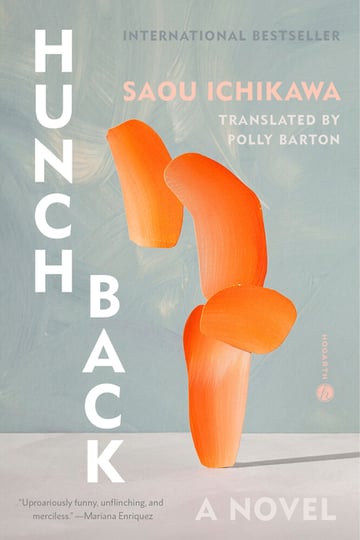
Hunchback
By Saou IchikawaThe first chapter will have pearl-clutchers screaming bloody murder. It does give the impression that the book is not what you first expected...but stick with it.
After that, the narrator details her life as a wealthy, Japanese woman in her 40s with a congenital muscle and spine disorder which makes breathing and speaking extremely difficult and every day tasks a painstaking maneouver.
She pushes the boundaries of what's deemed "acceptable" by the mainstream -- thoughts most people would blush at, particularly coming from a disabled person.
The author challenges ableism and calls out examples of what's considered normal accomodations in the U.S. compared to Japan. As a fellow book lover, I was particularly struck by the critiques around physical books. For some, physical books are too heavy and burdensome to handle, so having some hierarchy of what's deemed "real" reading is a form of ableism. Digital books, of course, offer far more variations making them more accessible (large font, lighter, audio).
But the main focus is on her identity as a woman (one with her own sexual desires) and how she can assert that identity and live her life as she wishes given her disability and how people view her because of it.
MINOR SPOILER AHEAD
At first she forays into her sexuality via her online alter ego and under a pen name. But then she's given the chance to play out her fantasy in real life... I doubt it goes in the direction you expect. It didn't for me.
The book tackled some pretty significant taboos, critical to challenging problematic norms that belittle and dismiss people with disabilities. And expect the language to match - there's no holding back. So if sexually explicit descriptions are not for you, be forewarned.
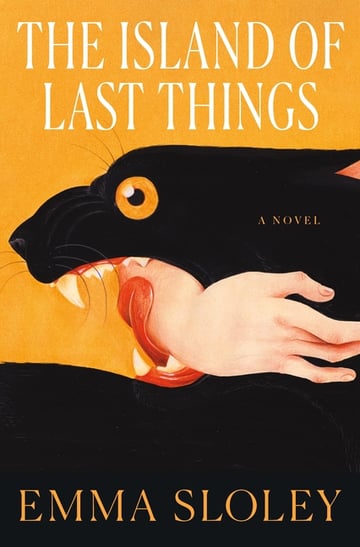
The Island of Last Things
By Emma SloleyCan you imagine a world where you look up to the sky and see the silhouette of a bird pass overhead and you're hit with such a sense of awe that you stop in your tracks, totally gobsmacked? That's this world. The climate catastrophe and levels of pollution have reached levels such that hardly any animals exist in the world anymore. Not even birds. Not even livestock. Any remaining "specimens" have been relegated to zoos, but now zoos are closing left and right too -- as the animals succumb to loneliness and disease from malnutrition and zoo officials succumb to cartels illicitly and violently stealing animals for their own entertainment. So when a nondescript, backlit bird catches your eye, you definitely take note.
The book explores whether it's better to keep animals caged and protected with the hopes that reproduction is possible, or better to let them live out their remaining short lives in the wild with almost guaranteed extinction ahead of them. There's a big twist at the end that may offer a partial solution. (I won't spoil it for you.)
The book also offers the very smallest teeniest tiniest bit of hope, but it's more of an inkling or a wish that there is another option. It's never confirmed. Frankly, I think it's just to reassure readers, but we shouldn't be reassured. We should be taking action every day to prevent this dystopian future.
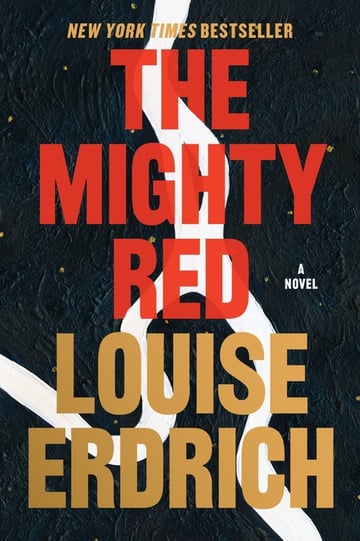
The Mighty Red
By Louise ErdrichHonestly, I didn't really get into the book for a while, but then I found it impossible to put down. There were two mysteries - one in the recent past that was haunting a kid and his broader community prompting whispers and concern. And one in the present that led to a community seeking to ostracize a member of its own before truly knowing what happened. (The fact that one was a promising white football star and the other was a Native American woman may be part of the reason for the differing treatment...)
But more compelling than the mysteries were the characters. I only cared about the plot because I cared about them. Would Kizmet and Crystal be able to escape their fate or continue to be the people who can never catch a break? I was rooting for them so hard!
Beyond the main characters it was also interesting to learn about the boy who lied about his age to earn money working in the oil fields. It's a really big payout, but the housing options are terrible. I then looked up the housing shortages and it's real - people earning big bucks are nonetheless sleeping on the street. Not only is Hugo sleeping in a box, but he's also taking on really dangerous work. I was reading this book while also reading The Great Divide, and the similarities of people traveling to Panama to take on dangerous work to build the canal and Hugo taking his big trek to work far away from home in the oil fields definitely had similarities even though the events are 100 years apart. Crystal was hauling beets (for sugar) - another back-breaking job. But not just physically demanding on muscle and bone, but also breathing air inundated with chemicals sprayed on the fields. Anything to eke out a living.
There's a sad recognition that they are complicit in participating in industries that they know are harming themselves and their communities and the land. But do they really have a choice? How do we create a sustainable world that brings the birds back to the fields and also provides a living wage? The book answers those questions, too.
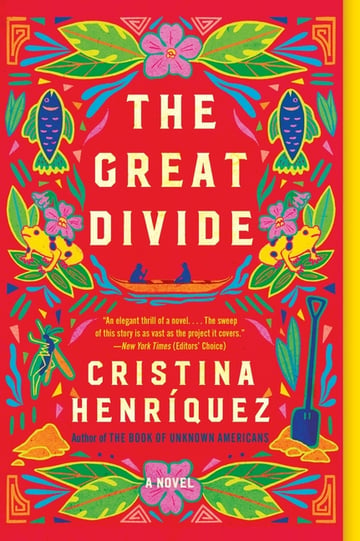
The Great Divide
By Cristina HenriquezSome thoughts by theme:
Workers - The ones doing the real work, sometimes treated as slaves, came from far and wide as people around the world arrived to Panama to earn wages but also faced tremendous danger. Not just the back-breaking work of taking a pick axe to a mountain range -- literally -- but also for the dreaded mosquito sending people to death's door with a bite tinged with malaria.
2025
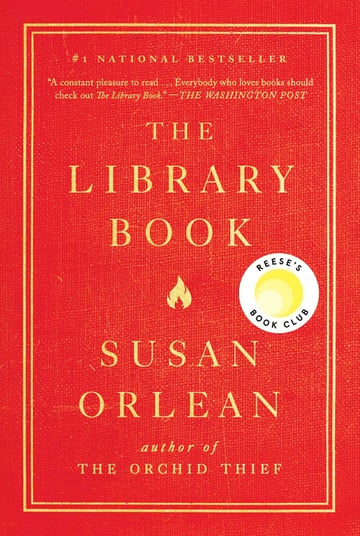
The Library Book
By Susan OrleanA dive into library history -- way more exciting than it sounds, I promise. This book provides a portrait of LA culture as well as the story behind the prime suspect for the largest library fire in US history. Part history, part mystery, part love letter to libraries.
There's immense deference to librarians and libraries and books and all the roles they play in our society (not just book depository but also a place to seek refuge, get help with taxes or immigration paperwork, human-Google, check out music scores or a laptop, research geneology, exchange war bonds, the list goes on). Really interesting to see how the role of the library has changed over the decades too, but always remains a critical third place in any community. We must continually invest in these institutions - these houses of information, and they must continually evolve to meet the needs of society.
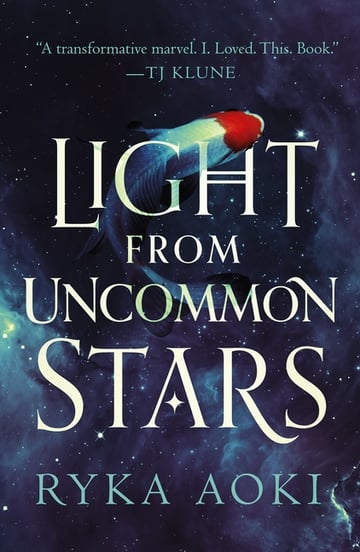
Light from Uncommon Stars
By Ryka Aoki- Acceptance and understanding: a trans youth who endured years of abuse from those closest to her and has a lot of fear/mistrust to overcome to find ease and trust again; a daughter who is both real and not real, and whether she is deserving of being loved; and a daughter who has not felt welcomed following in her father's footsteps, even when there is no one else to take the reins.
- The price we're willing to pay to achieve our dreams -- whether that's being in the world as we truly are or mastering music for an eternal legacy.
- Gentrification
- Immigrant-run small businesses (beloved establishments)
- Classism
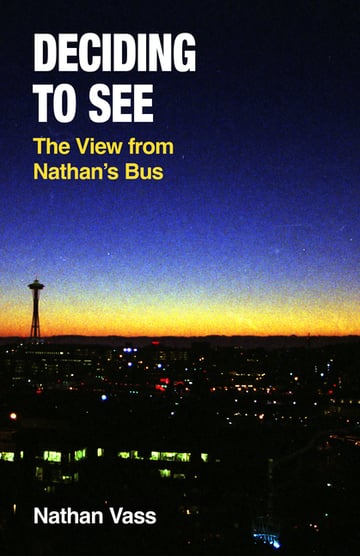
Deciding to See
The View from Nathan's Bus
By Nathan VassA compilation of many short stories about the author's interactions with or observations of passengers on his bus. There is sorrow and grief but also heart-warming, hopeful moments. Nearly all stories have some sort of philosophical musing, mostly a reminder that to simply be kind to everyone is a good starting place. And sometimes it means the world to the recipient.
The author's (almost) relentless positive attitude has allowed him to bring some sunshine into this rainy city and foster community and connection in parts of the city most people don't want to even venture through. His lack of judgment of why people are who they are or how they've ended up in particular circumstances is crucial to maintaining this attitude. But it isn't naivity. It's humility and understanding that you can't make assumptions as well as a recognition that it doesn't take much for someone to end up on the streets. And sometimes, all it takes is some patience and some kindness to help people out of their dire situation. If not permanently, then at least in those moments you get to interact with them.
East of Eden
(Penguin Orange Collection)
By John SteinbeckThere's a lot I could say here, but I just have time to jot down some key themes:
- Goodness and evilness are not predetermined. We can always make the choice (thou mayest/timshel)
- Money and expensive gifts are often spurned or at least not prized by most of Steinbeck's "good" characters, and when money does come about it's usually from questionable sources (with the exception of Will Hamilton, perhaps); this is consistent with his other writing
- Cathy/Kate is pure evil - perhaps the serpent in this biblically-inspired book. (This bothered me at first because she's the only character that doesn't seem to have any nuance until he began describing her more and more as some sort of supernatural creature -- which in itself seems like such a departure from Steinbeck's works. Once I believed that she was not human, it was an easier pill to swallow that she was so one dimensional. Even as a one dimensional character, she was clever and wicked in relatively novel ways.)
- Steinbeck weaved his own family's story into this one. I'm not entirely sure why unless it was to provide a counter-example to the Trasks. Not sure that was entirely necessary though and why not just dedicate an entire book to his own family? There's plenty to work with! (His side stories about Dessie and Olive and Tom were very rich.)
- Sam and Lee are the wise, reflective, and charasmatic characters. I would also love to read entire books dedicated to their own stories. (We got a lot about Sam's already but I feel like there's more to tell with Lee. His birth story is one of the most horrifying and heartbreaking scenes I've read.)
TLDR: Worth reading for the character Lee alone, but otherwise not my favorite Steinbeck work. (To be fair, though, that's a high bar.)
Such a Fun Age
By Kiley ReidOoof! Finished this one in two days. I knew the other shoe was going to drop, but didn't know how or when, and I couldn't stop reading until I found out.
The book alternates points of view, which is particularly compelling when talking about race (wealthy white woman striving to not be basic, but finds herself to be rather basic; and 25 year old Black woman still trying to figure out her life plan being pursued by a boyfriend who may have questionable motivations of his own).
It also shows how much narrative people can fully imagine in their heads: What is this person thinking of me? Does she like me? Are people judging me by how much sparkly decor I have? Oh, no, is she mad? Did she misconstrue that thing I said?" (Not direct quotes, just paraphrasing here. ) When really that person is hardly giving you a second thought and she's just trying to live her life. The obsession and narcissim really shines through in those inner thoughts.
It's unclear if Alix has a profound realization about herself at the end about how she treats her relationships with Black people. Hard to tell if this was more descriptive/explantory for the reader or self-reflective for her. Either way, it's not exactly the conclusion you may be hoping for, though it may be the more honest one.
*Note to self - contributing to the Little Free Library down the road.
The Storied Life of A. J. Fikry
By Gabrielle ZevinFinished it in one setting. Very easy to cruise through this sweet tale about a crumudgeonly bookstore owner whose crusty shell (and heart) is eventually cracked open after a strange turn of events.
Having read Zevin's Tomorrow and Tomorrow... I was frankly a little disappointed in the lack of character development in this one. That said, this book is also quite a bit shorter. And while there are some dark events, the book manages to retain its light-hearted nature. I may have actually preferred dwelling in the darker parts a bit more, but I recognize that's not for everyone and sometimes an easy read is a nice escape.
For book lovers, there are a lot of references and insights that make it extra endearing. (Zevin compiles them here, but there are spoilers so be careful.) And having the bookstore be the linchpin in the community -- who doesn't love that?
Here are some quotes that stood out to me:
- "Literary should be literary and genre should be genre." - Do I agree with this? As a literary fan myself, I think I would be open to trying more literary novels that have a genre bent to them. The author may also be winking at this novel, which I would say is blurring the lines a bit between romance novel and literary fiction.
- "What, in this life, is more personal than books?"
- "Lovely twist, more like a turn, at the end. You’re a good reader, and you’ll probably see it coming. (Is a twist less satisfying if you know it’s coming? Is a twist that you can’t predict symptomatic of bad construction?"
- "You know everything you need to know about a person from the answer to the question, 'What is your favorite book?'" If I were on a dating app, this would be the first question. If not to completely judge a person based on their particular book selection, then at least to see how much they got out of what they read. (One of the characters was judged for liking the Principles of Accounting, but I'd ask some follow-ups before completely dismissing him. Another character wasn't much of a reader, but really developed a love for it after some nudging. So it's not fair to have this question act as a litmus test on a person's character, but at the very least it could open up some deeper conversations.)
- Book blurbs are the "blood diamonds of publishing." Ha! I'm sure there's definitely some quid-pro-quo happening in this space, but I still find that if an author I love writes an exuberant endorsement for another book, I'm going to read that book. More generic reviews don't hook me. And I must say that the blurbs for this book are not particularly compelling. I wouldn't have read it if I had not loved Zevin's other book. "This novel has humor, romance a touch of suspense but most of all love;" "A natural for book groups;" "funny, tender and moving" are really unconvincing, if you ask me.
- "We have to be disappointed sometimes so that we can be exhilerated every now and again."
- From "The Late Bloomer" (a "memoir" in the book): "It is the secret fear that we are unlovable that isolates us...but it is only because we are isolated that we think we are unlovable. Someday, you do not know when, he or indeed she, will be there. You will be loved because for the first time in your life, you will truly not be alone. You will have chosen not to be alone." (emphasis mine)
- "We read to know we're not alone. We read because we are alone. We read and we are not alone. We are not alone."
- "...he feels a vaguely familiar, slight intolerable bubbling inside of him. He wants to laugh out loud or punch a wall. He feels drunk or at least carbonated. Insane. At first he thinks this is happiness, but then he determines it's love. Fucking love, he thinks. What a bother....The most annoying thing about it is that once a person gives a shit about one thing, he finds he has to start giving a shit about everything."
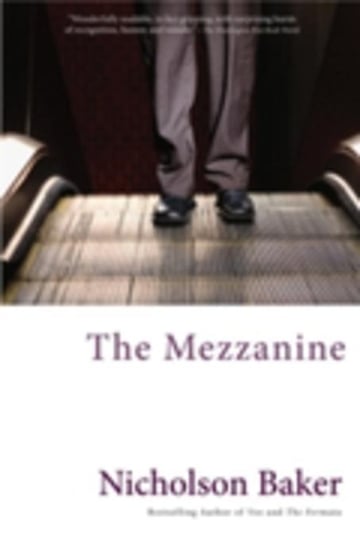
Mezzanine
By Nicholson BakerReminds me of this talk about a McDonald's mural and I still highly recommend it. Actually I recommend both. Really.
Essentially letting curiosity lead to the longest of rabbit holes spurred by truly mundane conversation or objects. But the more you dig and analyze, the more it actually is interesting or even profound or at the very least amusing. It exemplifies the importance of pausing to think, to reflect, to dig a little deeper and how that illuminates an entire new world and deeper appreciation for ... well, everything.
The protoganist seems to be espousing the 5 Why's but for every aspect of common occurences or items, always digging to squeeze out factoids or analyzing and breaking down the niceties of social convention to look at them for what they are in an objective yet still appreciative way. (I think it was during one of these passages that I began to wonder if the narrator had autism. Being able to assess social interactions like this -- as well as going on deep dives into how things work -- strike me as something an autistic person would be able to better analyze and explain. The narrator also wore earplugs all the time, so I wonder if that was related to a sensory issue.)
The curiosity and inquisitiveness of the narrator is simply infectious. He wonders about a mundane thing and I half laugh and roll my eyes at the absurdidy. But then it's not long before I also wanted -- needed -- to know the answers, too. (In a way, maybe it's related to why I love the podcast Ologies, too. The more passionate the guest is, the more I'm tuned in and totally absorbed in learning everything I can about rats or sports psychology or the lives of microscopic animals. Topics I would probably not normally turn to. And the little asides that Alie Ward does remind me of his copious and sometimes quite lengthy footnotes.)
About 30% of the entire book is footnotes. I read it as an ebook because A already had it (he doesn't remember where he'd originally heard of the book), but this would be a far better experience in a physical book as the sentences are pretty rambly and the flipping back/forth of the footnotes is particularly annoying on an e-reader.
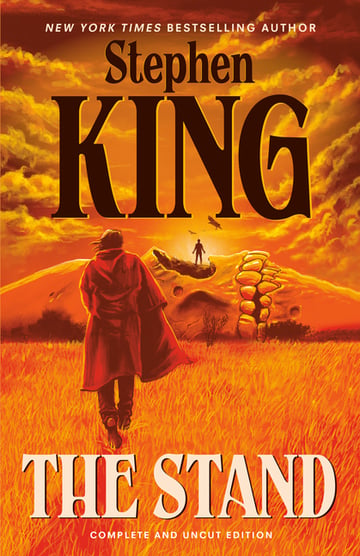
The Stand
By Stephen KingReally tried, but couldn't stick with it. The stories were somewhat compelling, but there was just too much exposition that didn't seem relevant to the story overrall. I don't always consider that a bad thing, but didn't find that it was worth the cost in the end.
Also, it seemed so odd to me that even as people were clearly dying from a plague that was highly contagious, characters still consistently seemed to seek out other people while taking no precautions like masks or distancing. I guess that's the hindsight that Covid provides us now, but it made the book less believable.
And on that note, I found the supernatural elements to be unnecessary. There was so much to draw from already - lab leak, government cover-up and misinformation, apocolypse, dissolution of society, etc. that the fantastical elements were a bit overkill. But I'm willing to concede that perhaps it would have all made sense in the end if I could have stuck to it.
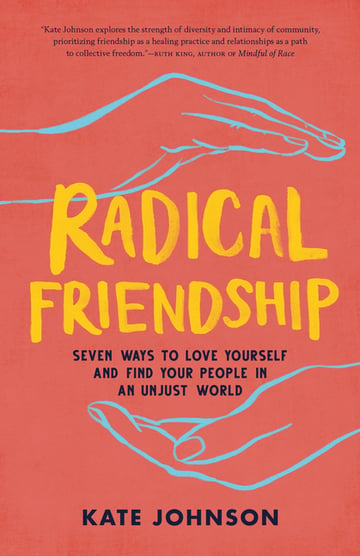
Radical Friendship
Seven Ways to Love Yourself and Find Your People in an Unjust World
By Kate JohnsonA little repetitive, but very important read.
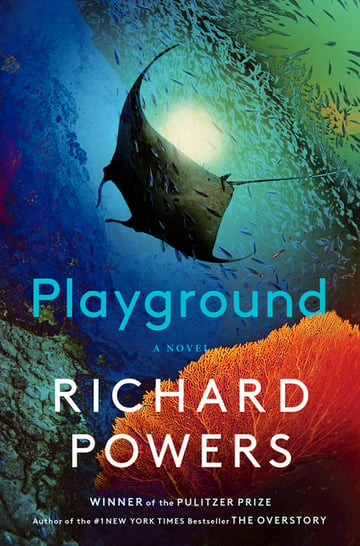
Playground
By Richard PowersI want everyone I know to read this book so I can talk about it. Because I can't believe the ending and because it made me re-think my own understanding about something. No spoilers -- you gotta read it. Then let's talk.
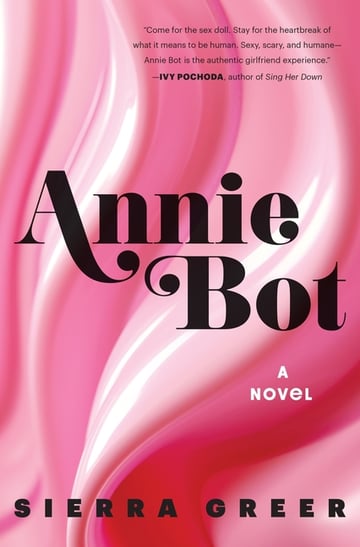
Annie Bot
By Sierra GreerI probably should have just stopped reading it, but I was hopeful that the ending would pay off. It was just okay and definitely didn't save the book in its entirety which was just kind of flat. (Or was that just the characters? Or the dialogue?)
I wish there was so much more exploration into what makes someone/something "conscious" or have personal identity. This was more like an intro course into those ideas.
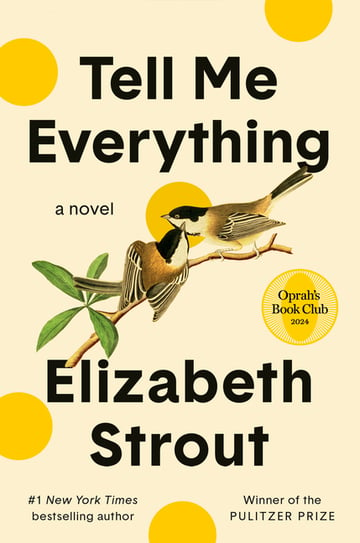
Tell Me Everything
Oprah's Book Club
By Elizabeth StroutThis book was a delight to read. Part murder mystery but mostly about how important relationships are, even if they're primarily based on town gossip and personal accounts. It was a bit heavy handed at times and got a little sappy at times. Didn't matter. Still made me well up.
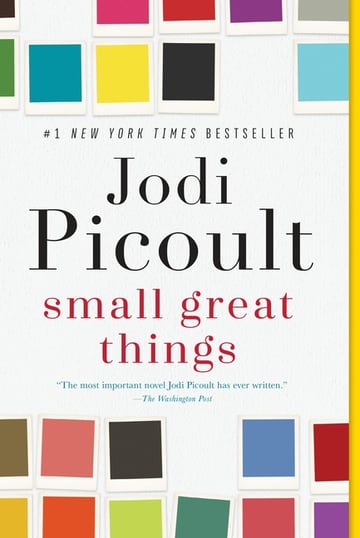
Small Great Things
By Jodi PicoultSuspenseful courtroom drama with race at the forefront. The first-person narrative story-telling was excellent. Their voices were distinct (though admittedly, some of that may have just been the narration) and their stories were enthralling. It was disturbing to hear the inner-thoughts of a neo-Nazi -- let his alone the horrific, violent actions. But I don't think I've ever really "heard" that perspective before. This character is appalling but he is a complete person, pitiable even. I commend the author for taking that leap. It gives readers a glimpse into how one might come to hold these beliefs about race, including how white supremacy groups go about recruiting those who are in need of belonging and stability.
Where it falls short is the story-book ending. The last big twist was a bit contrived in order to develop a tidy, feel-good conclusion. Ending on an optimistic note does have its appeal, but it may also give false hope to readers that everything will always work out in the end and progress and growth are inevitable. They aren't.
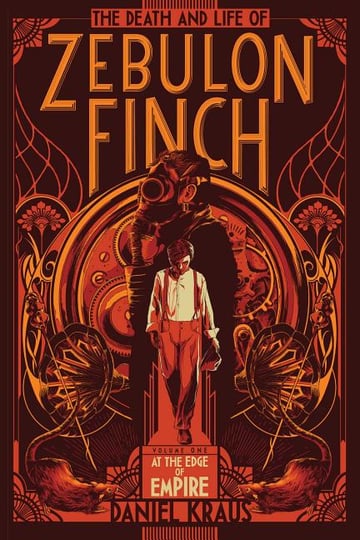
Death and Life of Zebulon Finch, Volume One
At the Edge of Empire (Reprint)
By Daniel KrausNot a genre I normally read. Just picked it up on a whim.*
I think this is tailor made for a movie. (As a book, it dragged on for a while.) However, the narrator's voice was unique and engaging, even if the details were quite gory and grotesque.
The intended takeaway seems to be that you can't overcome your nature, no matter how many shots you get. The anti-hero of the story just consistently let down or abandoned people who helped him and tended to cater to those who were toxic. I guess bad habits die hard (or never die at all...).
There is a Book 2, but I don't know if I have the stamina to take it on.
*Discovered this in a Little Free Library in my neighborhood. :)
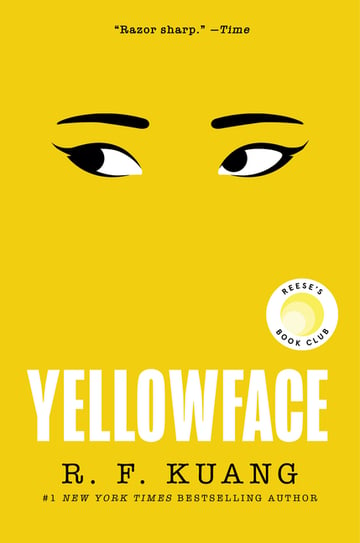
Yellowface
By R F Kuang2024
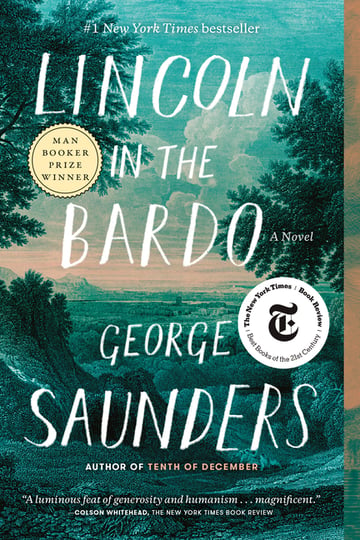
Lincoln in the Bardo
By George Saunders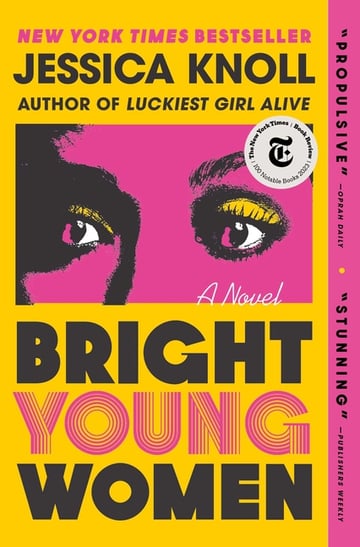
Bright Young Women
By Jessica KnollGruesome and chilling at times, particularly given that it's largely based on real crimes. The insightful part is the way author incorporates evidence of how misogyny/patriarchy in the rest of society almost lionizes the criminal while the victims' stories languish.
After all, Bundy was just a "bright young man"... shame it has come to this...
"Take care of yourself, young man. I say that to you sincerely; take care of yourself. It is an utter tragedy for this court to see such a total waste of humanity, I think, as I've experienced in this courtroom.
You're a bright young man. You'd have made a good lawyer and I would have loved to have you practice in front of me, but you went another way, partner. I don't feel any animosity toward you. I want you to know that. Once again, take care of yourself. "
THIS CAME FROM THE ACTUAL JUDGE IN THE REAL TRIAL OF A RUTHLESS SERIAL KILLER. ARE YOU KIDDING ME?!
The author also pushes back on the mythos that the victims were just sooo charmed by this handsome fellow that they essentially just walked with him to their deaths. She gives voices to those victims in this re-telling to correct the record. They didn't fall for his good looks. They felt sorry for him.
For me, it was a good reminder in pushing back on the responsibility that women often carry to be caretakers and soothers and polite. We actually don't owe men a damn thing.
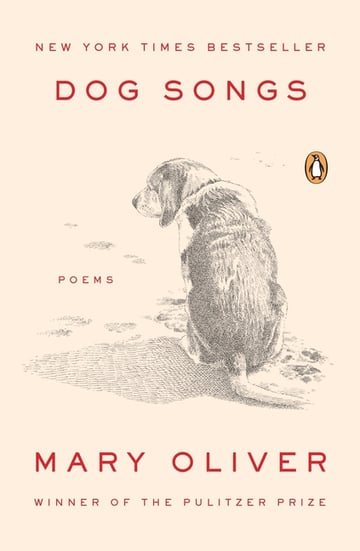
Dog Songs
By Mary OliverWhen our dog was still alive, reading these poems made my heart swell with love. Now that he’s gone, these poems hit differently (and obviously I’m quicker to come to tears) but they help me remember things I loved about him. They even spurred me to write my own poem about him. I’m just so grateful for this work.
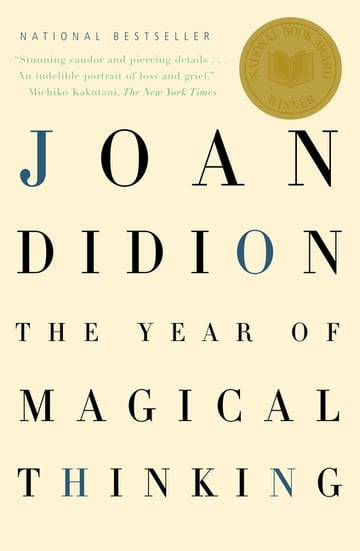
The Year of Magical Thinking
National Book Award Winner
By Joan Didion2023
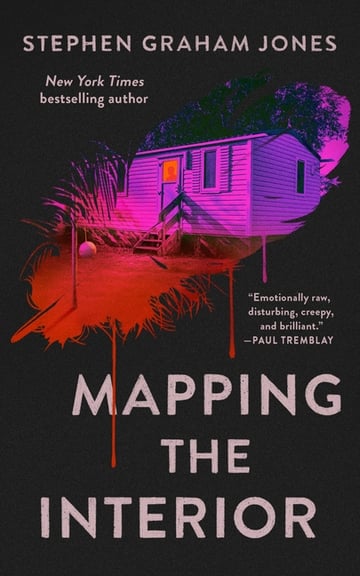
Mapping the Interior
By Stephen Graham Jones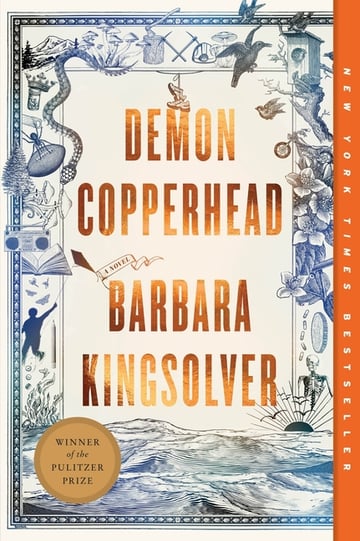
Demon Copperhead
By Barbara KingsolverThis may be my favorite Kingsolver book and that's saying something because I've been a huge fan for (20?!) years. The main character of this book is one of her most memorable. The story is heartbreaking in so many ways, and reveals the harrowing struggles of being in poverty and the foster care. It is also a story of hope, but not in the fairy tale way.
I listened to the audiobook version of this and the narrator was phenomenal.
2022
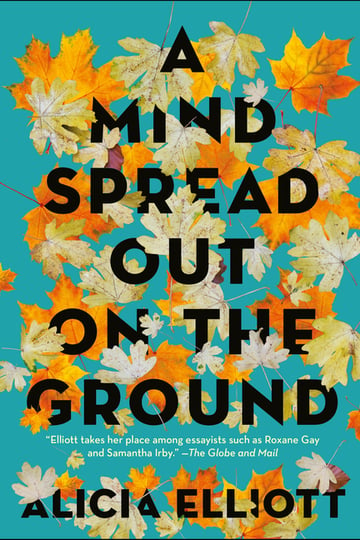
A Mind Spread Out on the Ground
By Alicia Elliott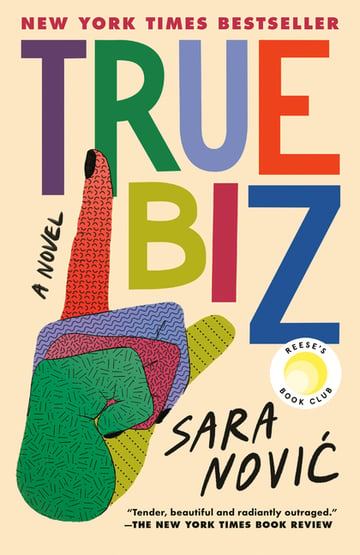
True Biz
By Sara NovicAfter reading Girl At War, I was so excited to read Novic's next novel. It took years and the wait was agonizing! But worth it. True Biz is a total gem and did such a good job at conveying deaf culture and the challenges that deaf people face in a hearing world that refuses to listen. (I'll admit, I was very ignorant before. I didn't even think that there was a "deaf culture"). I learned a lot. And I appreciated the level of outrage.
I instantly bought a couple copies to give to friends.
Everything Under
By Daisy Johnson2021
Cutting for Stone
By Abraham Verghese
My Absolute Darling
By Gabriel TallentLOVE LOVE LOVE
I've re-read it twice and it still had me gripping the edge of my seat.
Tallent FINALLY has a new book out and I've already pre-ordered.
NOTE: This book does contain a fair amount of disturbing content.
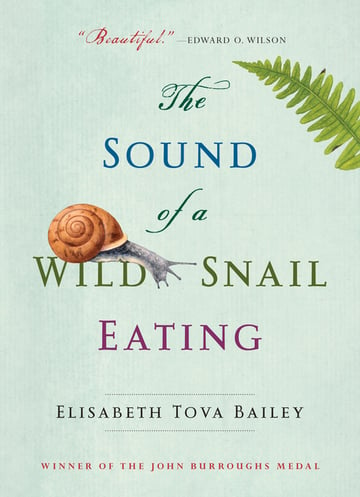
The Sound of a Wild Snail Eating
By Elisabeth Tova BaileyPerfect reading during the lockdown or if you're otherwise stuck at home. It's been years since I read it during the pandemic, but this is what I remember:
It's hopeful and endearing, but also sort of somber at times. Ostensibly, it's about snails and finding the joy and wonder and comfort in learning about these critters that are barely tolerated - if not reviled - by most. But it's also about sadness and loneliness, and how the cure for those may be in unexpected places. It's the kind of book that you can start and finish on a dreary, drizzly day with a cup of tea and a blanket.
2020
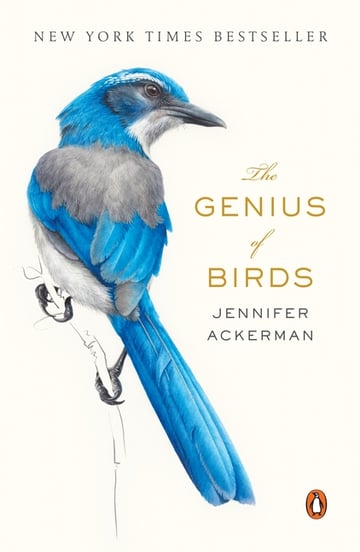
Genius of Birds
By Jennifer AckermanI read this years ago and I'm still spouting out fascinating bird facts from this book (even to those who didn't ask for them).
2019
2017
Naked
By David SedarisAlways good for a laugh. Oh, and getting to see Sedaris recite his work in person is 100% worth it.
2015
On Looking
By Alexandra Horowitz2009
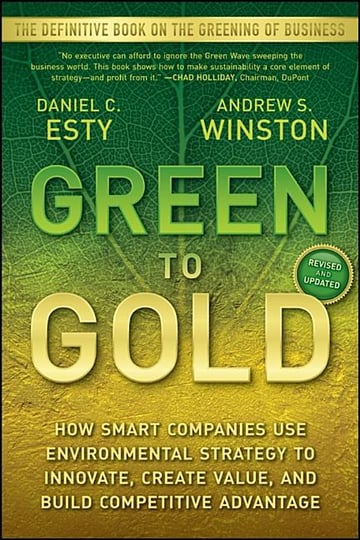
Green to Gold
How Smart Companies Use Environmental Strategy to Innovate, Create Value, and Build Competitive Advantage (REV & Updated)
By Daniel C Esty and Andrew WinstonCertainly not groundbreaking now but maybe it was at the time. Regardless, it's a decent intro for those who aren't familiar with the basics of the sustainability business case.
The Lovely Bones
By Alice Sebold2003